
Complete Guide to Understanding Root Canal Treatment

7 Key Benefits of Braces for Better Alignment and Oral Health Care
April 29, 2026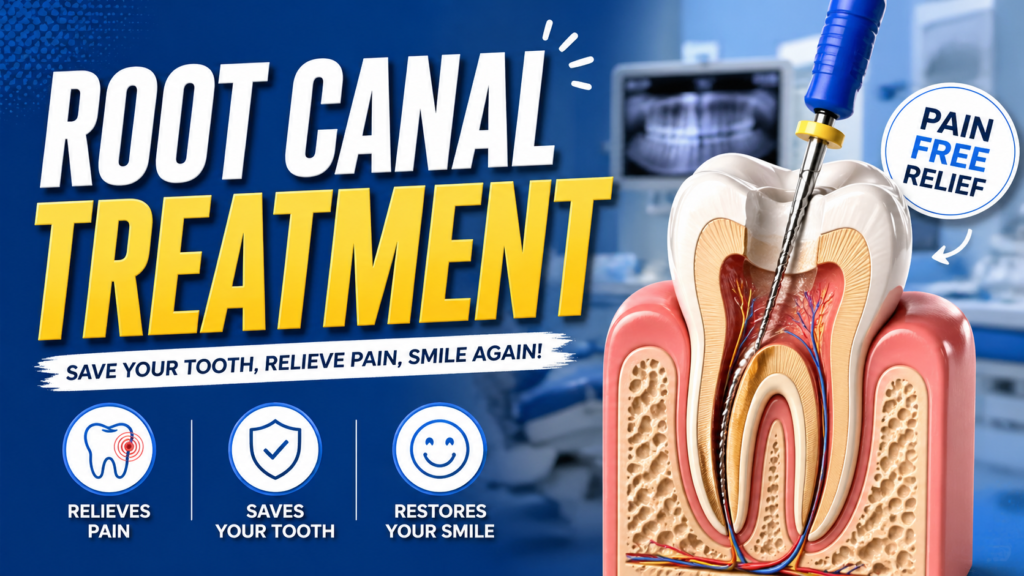
When people hear the term root canal treatment in udaipur, it often triggers anxiety. The reality is very different.
Modern dentistry has transformed this procedure into a safe, effective, and relatively comfortable way to save a damaged tooth.
If you’re dealing with persistent tooth pain, sensitivity, or swelling, understanding this treatment can help you make a confident and informed decision.
This guide breaks everything down clearly, from causes and symptoms to procedure, recovery, and long-term care.
What Is Root Canal Treatment and Why Is It Needed?
Root Canal Treatment is a dental procedure designed to remove infected or damaged pulp from inside a tooth.
The pulp contains nerves and blood vessels, and when it becomes infected, it can lead to severe pain and complications.
The main goal of this procedure is infected tooth repair while preserving your natural tooth structure.
Instead of extracting the tooth, dentists clean the inner canals, disinfect them, and seal them to prevent further infection.
You typically need this treatment when:
- Tooth decay reaches deep layers
- Cracks or trauma expose the pulp
- Repeated dental procedures weaken the tooth
- Infection spreads within the root system
Ignoring the problem can worsen the condition and may lead to tooth loss or systemic infection.
Signs You May Need Tooth Infection Treatment
A lot of people delay treatment because they’re unsure whether their symptoms are serious. That hesitation often makes things worse.
Here are common warning signs:
- Persistent toothache or throbbing pain
- Sensitivity to hot or cold that lingers
- Swelling in the gums or face
- Darkening of the tooth
- Pain while chewing or touching the tooth
These symptoms usually indicate that you need immediate tooth infection treatment.
In many cases, early diagnosis can prevent the infection from spreading further and simplify the procedure.
How Root Canal Therapy Works
Understanding the process helps remove unnecessary fear. Root canal therapy is straightforward and typically completed in one or two visits.
The procedure involves:
- Numbing the area with local anesthesia
- Creating a small opening in the tooth
- Removing infected pulp tissue
- Performing thorough canal cleaning treatment
- Filling and sealing the canals
- Restoring the tooth with a crown if needed
The most critical step is proper cleaning and disinfection. Without effective canal cleaning treatment, bacteria can remain and cause reinfection.
Modern techniques, advanced tools, and digital imaging have significantly improved the success rate of Root Canal Treatment, making it predictable and efficient.
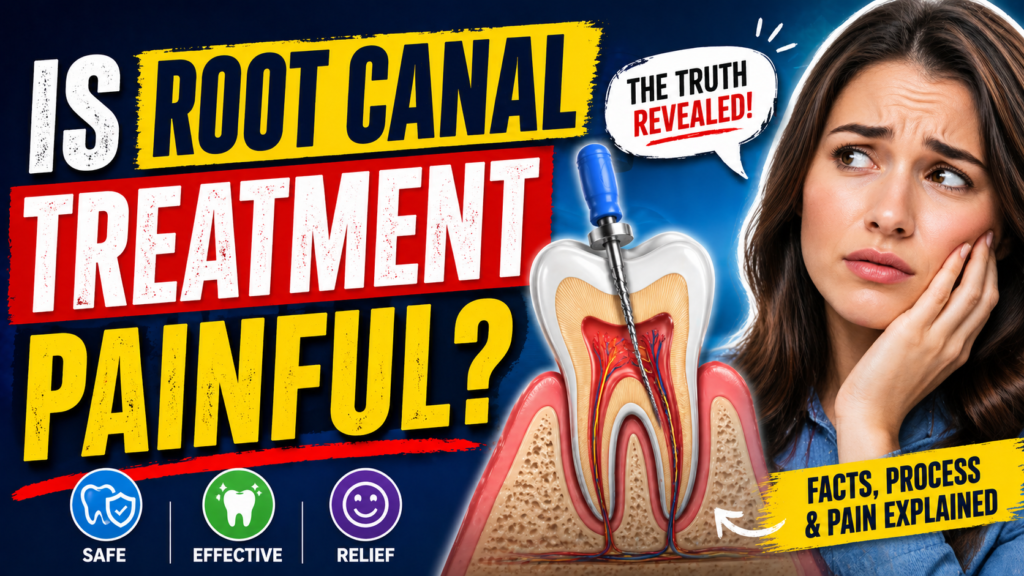
Is Root Canal Treatment Painful?
This is the biggest myth that needs to be addressed directly.
Today, Root Canal Treatment is no more painful than getting a regular filling. With advanced anesthesia and techniques, most patients feel minimal discomfort during the procedure.
In fact, the treatment relieves pain rather than causing it. The real source of pain is the infection inside the tooth. Once removed, the discomfort gradually fades.
If anything, delaying oral health treatment leads to more severe pain and complications.
Benefits of Saving Your Natural Tooth
Many people ask whether extraction is a better option. In most cases, it isn’t.
Saving your tooth through Root Canal Treatment offers clear advantages:
- Maintains natural bite alignment
- Prevents shifting of adjacent teeth
- Preserves jawbone structure
- Eliminates infection effectively
- Avoids more complex procedures like implants
This makes it one of the most valuable oral health treatment options available.
What Happens If You Delay Treatment?
Let’s be blunt: delaying treatment is a bad decision.
An untreated infection can:
- Spread to surrounding tissues
- Lead to abscess formation
- Cause bone loss
- Increase treatment complexity and cost
What could have been a simple infected tooth repair can turn into a major dental issue.
Early tooth infection treatment is always easier, faster, and more affordable.
Step-by-Step Breakdown of the Procedure
Here’s a realistic look at what you can expect:
Diagnosis and Planning
Your dentist examines the tooth using X-rays to assess the extent of infection. This ensures precise root canal therapy planning.
Cleaning the Infection
The infected pulp is removed, and deep canal cleaning treatment is performed using specialized instruments and disinfectants.
Sealing the Tooth
After cleaning, the canals are filled with a biocompatible material to prevent reinfection.
Restoration
In most cases, a crown is placed to strengthen the tooth and restore function.
Each stage plays a critical role in ensuring the success of Root Canal Treatment.
Recovery and Aftercare
Recovery is usually smooth, but you still need to follow basic precautions.
Expect:
- Mild discomfort for a few days
- Slight sensitivity while chewing
To recover faster:
- Avoid chewing on the treated side initially
- Maintain proper oral hygiene
- Take prescribed medications if needed
Good aftercare ensures the success of your oral health treatment and prevents future complications.
Cost of Root Canal Therapy in India
Cost varies depending on:
- Tooth location (front vs molar)
- Severity of infection
- Need for a crown
On average, Root Canal Treatment in India ranges from ₹3,000 to ₹15,000 per tooth.
While it may seem like an expense, it’s far more cost-effective than tooth replacement procedures later.
How to Prevent Future Infections
Prevention is always better than treatment. If you don’t want to go through another tooth infection treatment, focus on these habits:
- Brush twice daily with proper technique
- Floss regularly
- Limit sugary foods and drinks
- Visit your dentist every 6 months
Consistent care reduces the chances of needing another infected tooth repair in the future.
Common Myths About Root Canal Treatment
Let’s clear a few misconceptions:
Myth: It’s extremely painful
Reality: Modern procedures are comfortable and pain-relieving.
Myth: Extraction is better
Reality: Saving your natural tooth is always preferable.
Myth: It causes illness
Reality: There’s no scientific evidence supporting this claim.
Believing these myths often leads people to avoid necessary oral health treatment, which only worsens their condition.
When Should You See a Dentist Immediately?
Don’t wait if you notice:
- Severe, continuous pain
- Swelling or pus discharge
- Fever along with tooth pain
These signs indicate that immediate tooth infection treatment is required. Delaying can escalate the issue quickly.

Long-Term Success of Root Canal Therapy
With proper care, a treated tooth can last a lifetime.
The success of Root canal therapy depends on:
- Thorough canal cleaning treatment
- Proper sealing
- Timely placement of a crown
- Good oral hygiene
This is why choosing an experienced dentist matters. Quality treatment ensures durability and reduces the risk of reinfection.
Final Thoughts
If you’re dealing with tooth pain, ignoring it won’t make it go away. It will only make things worse.
Root Canal Treatment is not something to fear. It’s a reliable, proven method to eliminate infection, relieve pain, and preserve your natural tooth. When done correctly, it restores both function and comfort.
The smartest move is simple: act early, choose the right dentist, and commit to proper oral care.
That’s how you avoid bigger problems and keep your dental health in control.